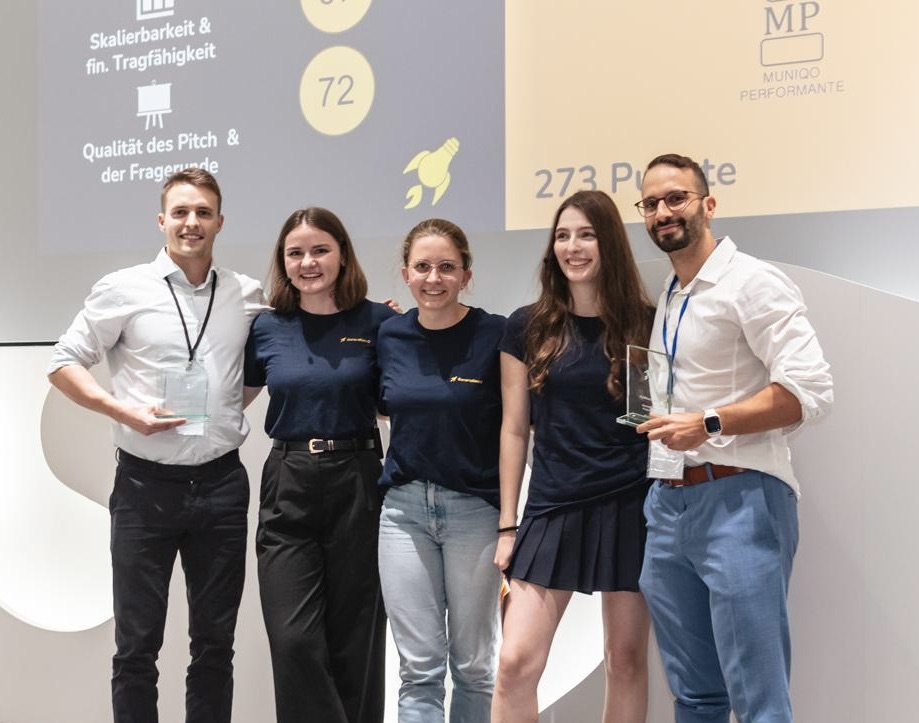
As an ever-growing start-up, we managed to secure the 1st place in the Generation D competition, proving once again the scientific and economic potential of our innovative technology.
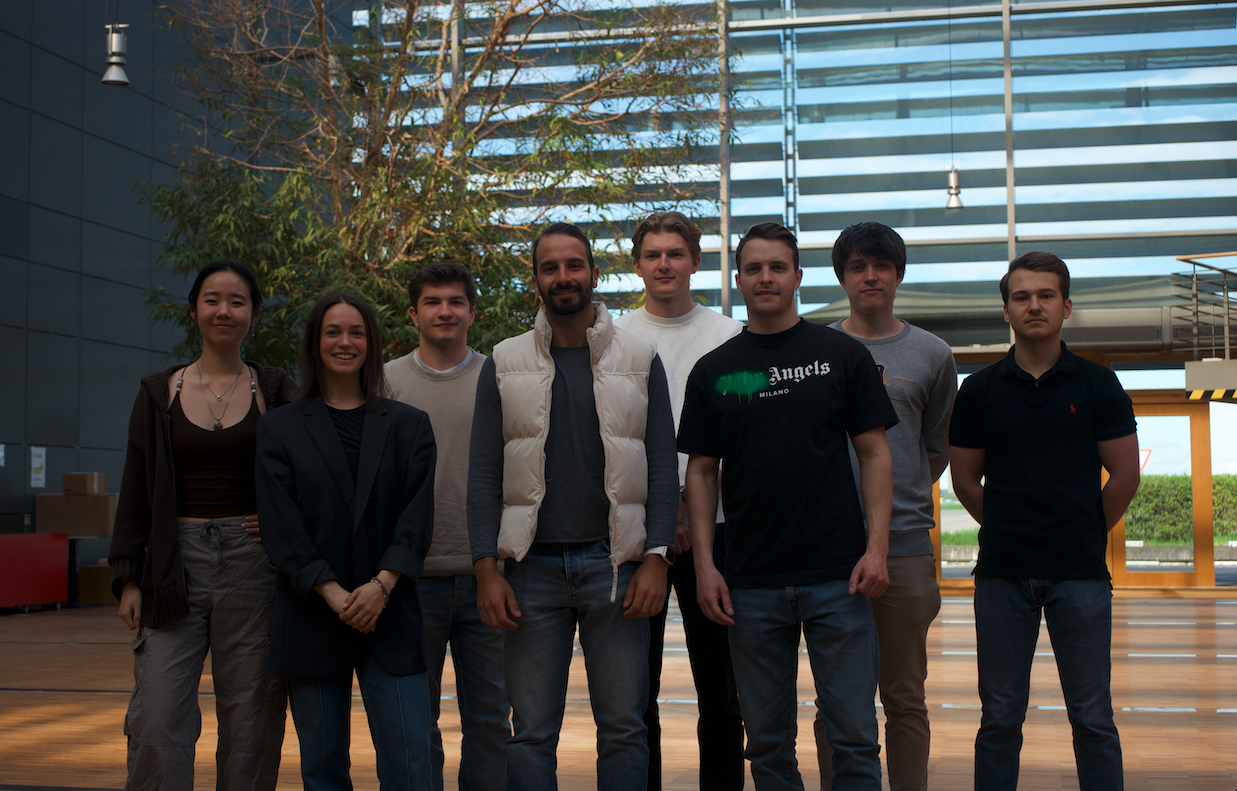
Our team at the office in Garching Research Center. A mix of youthful drive and deep expertise: The core team brings together backgrounds in mechanical engineering, automotive engineering, human medicine, electrical engineering, IT, business, and startup experience.
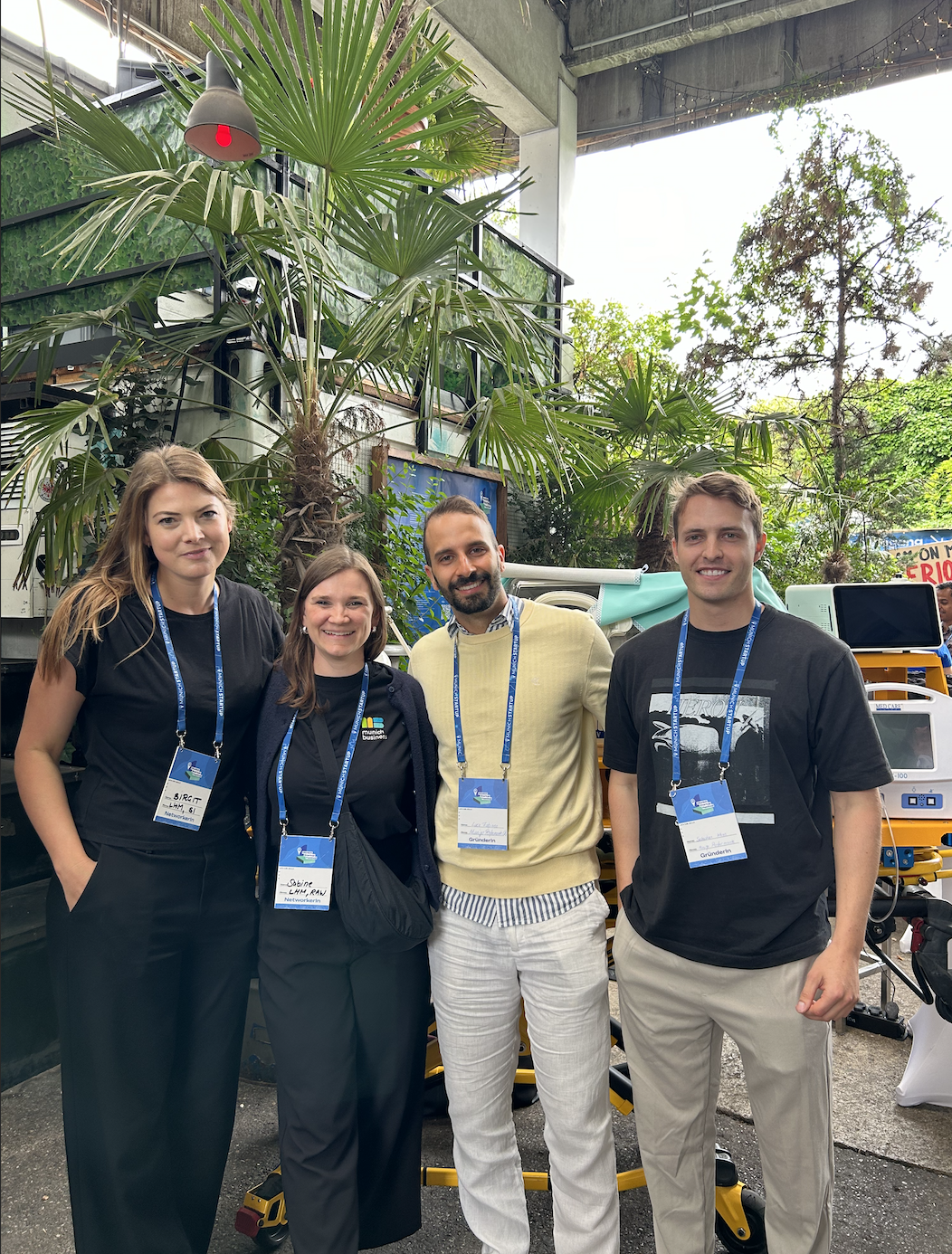
Together with our long-standing supporter Dassault Systèmes, who has accompanied Muniqo from the very beginning, we shared a joint stand at the Munich Startup Festival 2025. A special highlight was the exhibition of a full-scale transport incubator, generously provided by our key partner MedCare Visions.
As the winner of the Munich Impact Incubator, we were also invited to join a high-level panel discussion hosted by the City of Munich, contributing our vision for the future of DeepTech in healthcare.
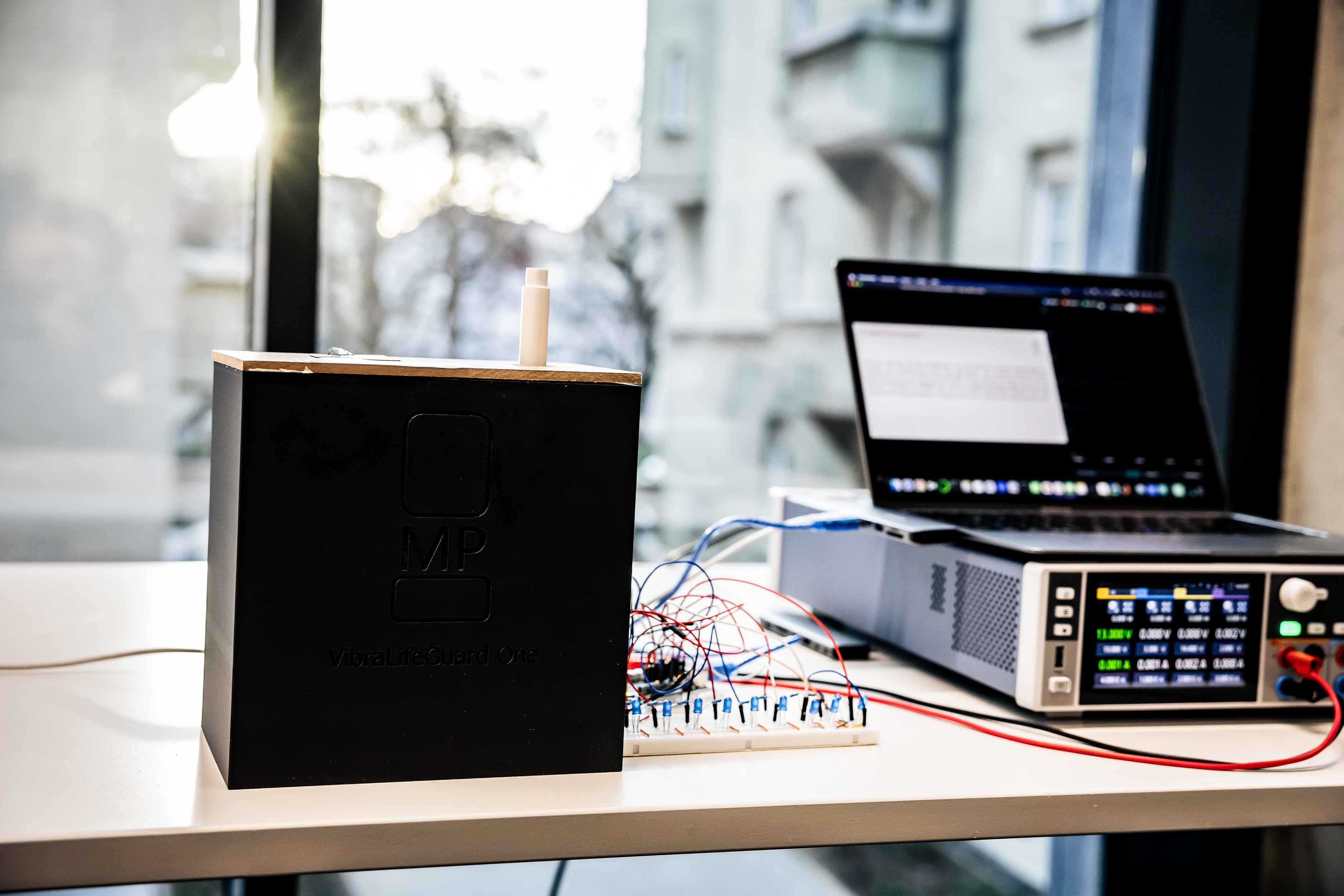
Photo of our technology demonstrator – taken at the finals of the Munich Impact Incubator. We’ve presented our technology at various award ceremonies and events. So far, we've secured over €200,000 in grants and prize money, including the EXIST Founder Grant, ESA BIC, and by winning the Munich Impact Incubator.
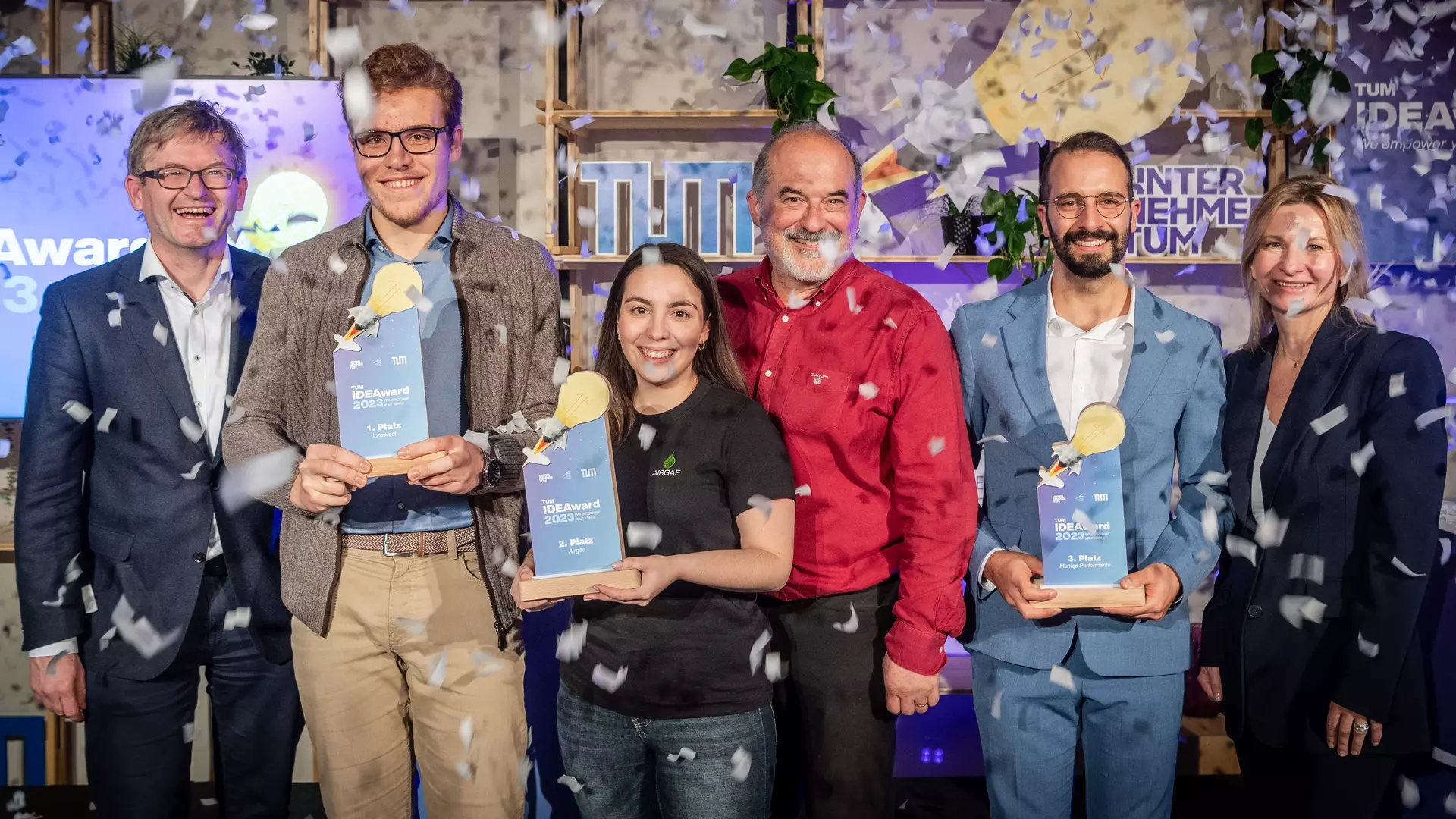
Muniqo Performante is one of the winners of the TUM IDEAward 2023. The start-up was recognised for its innovative technology and its great economic and scientific potential.
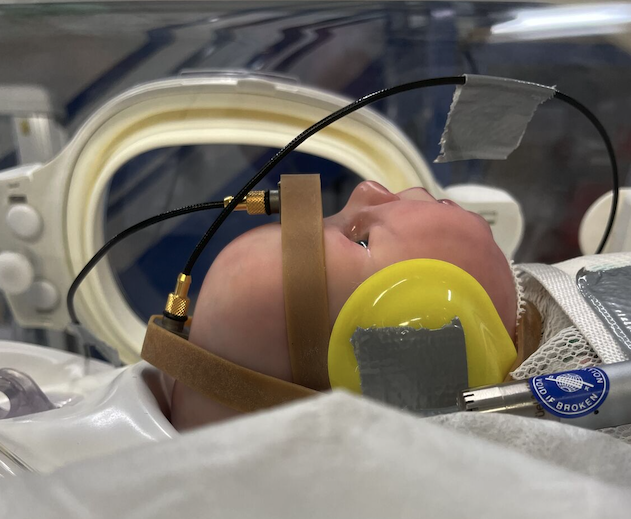
Together with MedCare Visions® GmbH, the Chair of Acoustics of Mobile Systems, the Munich Fire Brigade, and the German Heart Centre, we carried out a comprehensive vibration measurement during the transport of newborn babies using a manikin.
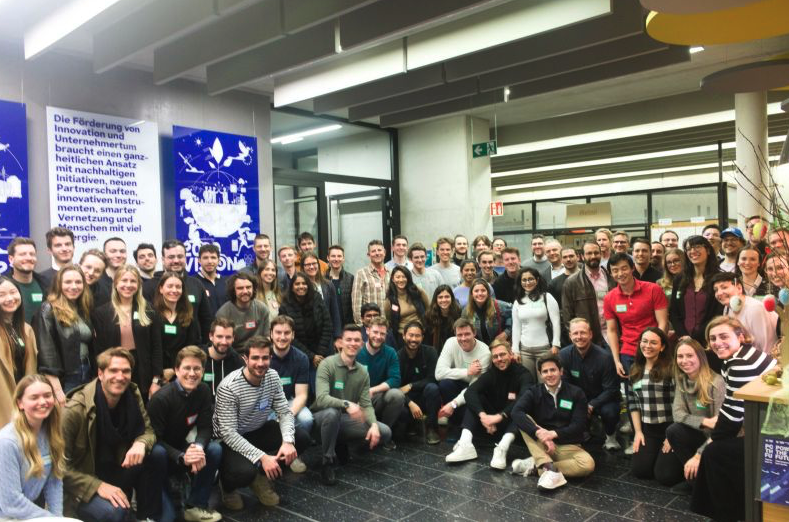
By participating in UnternehmerTUM's Xplore programme, we gained valuable business knowledge that we lacked as engineers, helping us to take our start-up to the next level.



From first prototype to early validation through the TUM IdeAward.
Luca and Sebastian, friends since elementary school, are both trained engineers at the Technical University of Munich with complementary backgrounds. Sebastian, a mechanical and automotive engineer, developed the core idea for Muniqo’s technology driven by his passion for engineering solutions and shaped by his experience at BMW, where he worked on patented magnetic systems. Luca studied Electrical and Biomedical Engineering, spending several semesters studying Human Medicine. During his translational MedTech research on highly innovative acoustofluidic cell function analysis at TranslaTUM, he co-led a team of talented students with Prof. Hayden during the Go-Bio Spin-Off funding period. Together, they built their first proof of concept in 2023, combining Sebi’s vision and mechanical design with Luca’s system architecture and control logic. The project won 3rd place at the renowned TUM IdeAward, earning €10,000 and confirming the strong potential of their solution.
Market validation, a first real-world pilot project and the approval of the EXIST grant
In early 2024, while still completing their studies, Luca and Sebastian applied for the XPLORE program to evaluate the full potential of their technology. After being accepted, they expanded the team with project students from TUM School of Management. Together, they analyzed various application fields for a universal vibration compensation system. Through XPLORE, they gained valuable business insights, conducted early market research, and identified neonatal transport as the most urgent and structured entry market. The technology’s flexibility became clear across multiple sectors. During this phase, they also collected over 10 Letters of Intent from clinical and industrial stakeholders, confirming the broad interest in their solution. A realistic pilot project was launched in cooperation with the Munich Fire Department, the Herzzentrum, and neonatology experts – enabling real-world vibration measurements during neonatal transport. These insights laid the groundwork for the technical and clinical development roadmap. Shortly after, their EXIST funding application was approved, setting the stage for full-time development.
Full-time development, the approval of the ESA BIC funding, and growing strategic partnerships.
After concluding their studies, Luca and Sebastian fully committed to Muniqo in January with the start of EXIST funding, which now supports both operational costs and materials. With full-time focus, development accelerated significantly. In March, Muniqo was accepted into the ESA BIC program – based on the broad technological applicability, including future use cases such as vibration-compensated sensor stabilization on satellites to improve resolution. In parallel, the team grew: over 10 academic projects – including theses and group projects – have already been completed in collaboration with TUM, leading to the recruitment of the first permanent team member beyond the founders: business lead Marie Hesel. Collaborations with TUM Venture Labs and Fraunhofer enabled advanced prototyping and iterative development, including early-stage production capabilities in Garching and multiple system refinements. The pilot project launched in 2024 now enters its second phase in close collaboration with the Munich Fire Department and neonatology teams. Product integration and field tests are scheduled for late 2025. In January, the team won first place at the Munich Impact Incubator. In June, they were finalists at TUM Pitch Perfect, and they are now finalists at Generation D.
From pilot success to certification, first clinical installations and multiple sales.
By mid-2026, product development will be finalized, including the completion of Pilot Project Phase 2. The next step – Phase 3 – aims to validate the system in helicopter-based neonatal transport. With CE marking under MDR Risk Class I and a finalized patent, first installations and sales are planned for the second half of the year. Initial deployment will focus on existing Letter-of-Intent and pilot partners, enabling ongoing feedback and close alignment with clinical needs. The goal is to ensure a smooth and validated market entry. Looking ahead to 2030, Muniqo aims to become the new standard for vibration-free solutions in critical transport – with expansion into aerospace, satellite sensor stabilization, and high-tech industrial applications.
Standard of care in critical transport and expansion into new billion-euro markets.
By 2030, Muniqo will be firmly established as the go-to solution for safe, vibration-free patient transport. With over 500 systems deployed, the company will have scaled up in-house production to make the technology more affordable and widely accessible. Beyond the core product, Muniqo will have become a leader in vibration diagnostics and customized vibration-reduction solutions across medical and industrial sectors. Scaled manufacturing will enable high-volume sales, opening up new markets such as battery coating, precision manufacturing, and logistics. The goal: unlock a healthcare market of over €350 million – and beyond that, tap into multi-billion euro opportunities across industries. Most importantly, by 2030, Muniqo will have made a measurable impact: saving lives, especially in neonatal transport.
Revolutionizing vibration control – from Munich to the world. Up to 99.9% reduction enabling breakthrough performance in MedTech, manufacturing, aerospace and emergency transport. SDG 9 – Industry, Innovation and Infrastructure
From student research to venture creation – in close cooperation with Germany’s top academic institutions. A launchpad for entrepreneurship, translational research and cutting-edge MedTech development. SDG 8.b – Youth employment, education & training
More than 500,000 vibration-sensitive patient transports take place in Germany every year alone. Our technology reduces risk during transport and improves survival and long-term outcomes. SDG 3 – Good Health and Well-being